

What is Critical Thinking?
In today’s fast-paced world, where information flows endlessly and decisions are made in seconds, one skill stands out as more essential than ever: critical thinking. But what exactly does it mean to think critically, and why is it so important?
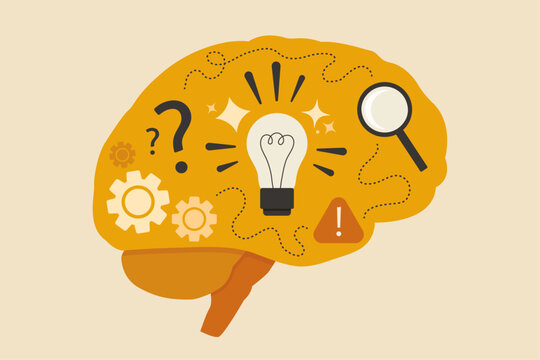
Defining Critical Thinking
Critical thinking is the ability to analyze, evaluate, and interpret information objectively before forming a judgment. Instead of accepting things at face value, critical thinkers dig deeper — asking questions like “Is this information reliable?”, “What evidence supports this claim?”, or “Are there alternative explanations?”.
It’s not about being negative or constantly skeptical, but about approaching problems and ideas with clarity, logic, and open-mindedness.
Key Elements of Critical Thinking
-
Observation – Paying close attention to details and recognizing patterns or inconsistencies.
-
Analysis – Breaking down complex information into smaller parts to better understand it.
-
Evaluation – Assessing the credibility of sources and the strength of arguments.
-
Inference – Drawing logical conclusions based on available evidence.
-
Communication – Clearly explaining your reasoning to others.
Why Critical Thinking Matters
-
Better Decisions: Whether in business, education, or daily life, critical thinking helps people make more informed and rational choices.
-
Problem Solving: It allows you to look beyond surface-level solutions and find innovative ways to tackle challenges.
-
Resisting Misinformation: In the age of social media, critical thinking acts as a filter against fake news and misleading claims.
-
Personal Growth: By questioning assumptions and exploring new perspectives, you develop a deeper understanding of the world.
How to Develop Critical Thinking Skills
Like any skill, critical thinking can be improved with practice. Here are a few tips:
-
Ask “why” and “how” instead of just “what.”
-
Seek multiple viewpoints before forming an opinion.
-
Reflect on your own biases and how they affect your judgment.
-
Practice active listening and engage in thoughtful discussions.
-
Read widely and critically — not just to absorb, but to question and evaluate.
Final Thoughts
Critical thinking is more than an academic concept — it’s a life skill. It empowers you to navigate uncertainty, make sound decisions, and contribute meaningfully to discussions and problem-solving. In a world full of noise and distractions, cultivating critical thinking ensures you don’t just follow the crowd but make choices based on reason, evidence, and clarity.