Why Emotional Intelligence is Essential in Education
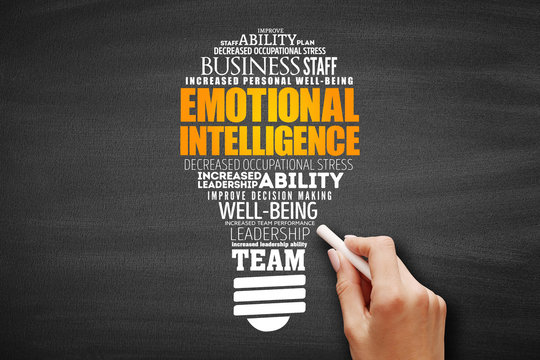
When we think of education, we often focus on grades, exams, and academic performance. But there’s another skill that plays a huge role in success — emotional intelligence (EI). In classrooms and beyond, emotional intelligence is just as important as intellectual ability.
What is Emotional Intelligence?
Emotional intelligence is the ability to recognize, understand, and manage your own emotions — as well as the emotions of others. It includes skills like empathy, self-control, communication, and conflict resolution.
Why Emotional Intelligence Matters in Education
-
Improves Learning
Students who can manage stress and emotions are better able to focus and perform academically. -
Encourages Better Relationships
EI helps students work well with classmates, respect teachers, and collaborate in group projects. -
Builds Confidence
By understanding themselves, students develop self-awareness and self-esteem, which boost learning outcomes. -
Supports Mental Health
Emotional intelligence equips students with coping skills, reducing anxiety, bullying, and peer pressure. -
Prepares for the Future
In careers and personal life, emotional intelligence is often the deciding factor in leadership, teamwork, and problem-solving.
How to Develop Emotional Intelligence in Students
-
Practice Self-Reflection: Encourage journaling or daily check-ins about emotions.
-
Teach Empathy: Role-playing activities can help students see things from others’ perspectives.
-
Promote Communication: Encourage open dialogue in classrooms where students feel safe expressing themselves.
-
Model EI Skills: Teachers and parents who demonstrate empathy and patience set a powerful example.
-
Conflict Resolution Exercises: Teach strategies for solving disagreements calmly and respectfully.
Final Thoughts
Education isn’t just about books and exams — it’s about preparing students for life. Emotional intelligence helps young people navigate challenges, build strong relationships, and grow into balanced, resilient adults. When combined with academic learning, EI creates a more holistic and meaningful education experience.