The Role of Teachers in Shaping the Future

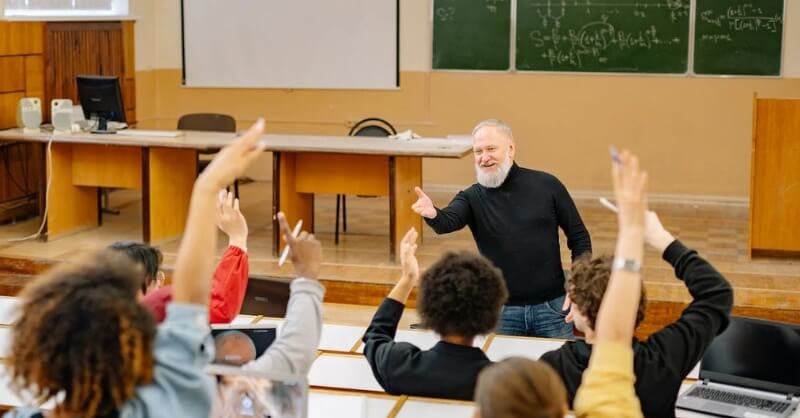
Behind every successful student is a dedicated teacher who inspired, guided, and believed in them. While technology and modern tools are transforming education, the role of teachers remains irreplaceable. They don’t just deliver lessons — they shape lives and the future of society. Teachers as Mentors Teachers do more than teach academic subjects; they mentor students, helping them discover strengths, passions, and career paths. A single encouraging word from a teacher can spark a lifelong interest in science, art, or leadership. Teachers as Role Models Students often look up to their teachers for more than knowledge. A teacher’s patience, discipline, and kindness set examples of how to handle challenges in life. They model values such as respect, honesty, and responsibility. Teachers and Lifelong Learning Great teachers never stop learning themselves. By staying updated with new teaching methods and technology, they inspire students to also embrace continuous learning. Challenges Teachers Face Despite their importance, teachers face many challenges: Large class sizes that make individual attention difficult. Limited resources in schools. Pressure to meet standardized testing requirements. Balancing academic expectations with students’ emotional well-being. Why Supporting Teachers Matters When teachers are supported with proper training, resources, and respect, they can focus on what they do best — nurturing the next generation. Investing in teachers is essentially investing in the future. Final Thoughts Education is the foundation of every society, and teachers are the builders of that foundation. They don’t just teach lessons; they leave imprints on lives that last forever. By recognizing and supporting their role, we can ensure a brighter future for all.
Why Emotional Intelligence is Essential in Education

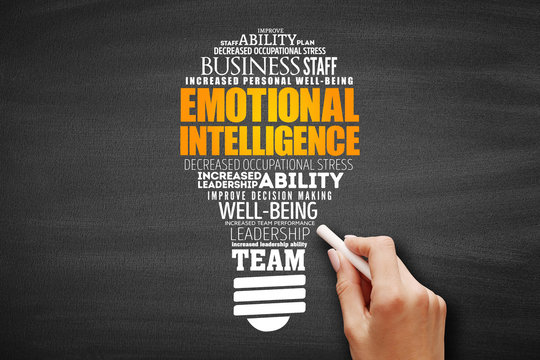
When we think of education, we often focus on grades, exams, and academic performance. But there’s another skill that plays a huge role in success — emotional intelligence (EI). In classrooms and beyond, emotional intelligence is just as important as intellectual ability. What is Emotional Intelligence? Emotional intelligence is the ability to recognize, understand, and manage your own emotions — as well as the emotions of others. It includes skills like empathy, self-control, communication, and conflict resolution. Why Emotional Intelligence Matters in Education Improves Learning Students who can manage stress and emotions are better able to focus and perform academically. Encourages Better Relationships EI helps students work well with classmates, respect teachers, and collaborate in group projects. Builds Confidence By understanding themselves, students develop self-awareness and self-esteem, which boost learning outcomes. Supports Mental Health Emotional intelligence equips students with coping skills, reducing anxiety, bullying, and peer pressure. Prepares for the Future In careers and personal life, emotional intelligence is often the deciding factor in leadership, teamwork, and problem-solving. How to Develop Emotional Intelligence in Students Practice Self-Reflection: Encourage journaling or daily check-ins about emotions. Teach Empathy: Role-playing activities can help students see things from others’ perspectives. Promote Communication: Encourage open dialogue in classrooms where students feel safe expressing themselves. Model EI Skills: Teachers and parents who demonstrate empathy and patience set a powerful example. Conflict Resolution Exercises: Teach strategies for solving disagreements calmly and respectfully. Final Thoughts Education isn’t just about books and exams — it’s about preparing students for life. Emotional intelligence helps young people navigate challenges, build strong relationships, and grow into balanced, resilient adults. When combined with academic learning, EI creates a more holistic and meaningful education experience.

The Importance of Digital Literacy in Education

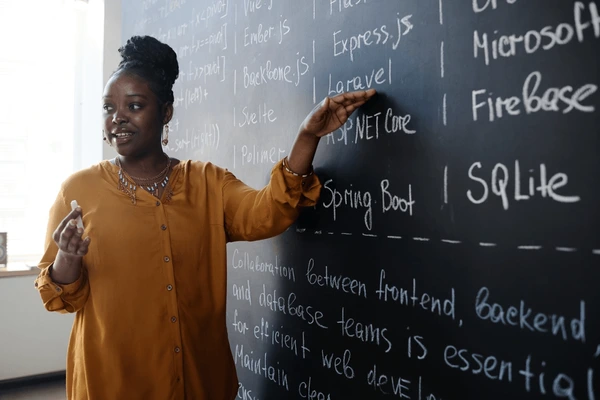
In today’s technology-driven world, digital literacy has become just as essential as reading, writing, and mathematics. From online research to virtual classrooms, students need digital skills to learn effectively, stay safe, and prepare for the future. What is Digital Literacy? Digital literacy is the ability to use technology and digital tools to find, evaluate, create, and communicate information. It goes beyond just knowing how to use a computer — it’s about understanding how to navigate the digital world responsibly and effectively. Why Digital Literacy Matters in Education Enhances Learning Opportunities Students can access online resources, e-books, and educational videos that make learning interactive and engaging. Prepares for the Future Workforce Most careers today require digital skills, from basic computer use to advanced data analysis. Schools play a key role in equipping students with these skills. Promotes Critical Thinking With so much information online, digital literacy helps students identify credible sources and avoid misinformation. Encourages Creativity Students can use digital tools to create projects, presentations, and even start blogs or YouTube channels. Builds Digital Responsibility Understanding online privacy, cyber safety, and digital etiquette helps students become responsible digital citizens. How to Improve Digital Literacy in Schools Integrate Technology in Classrooms: Use interactive platforms and e-learning tools. Teach Online Research Skills: Show students how to evaluate the reliability of online sources. Encourage Collaboration: Group projects using online platforms help students practice teamwork digitally. Focus on Cybersecurity: Educate students about strong passwords, safe browsing, and data protection. Balance Screen Time: Teach the importance of healthy digital habits. Final Thoughts Digital literacy is no longer optional — it’s a core part of education in the 21st century. By teaching students how to navigate the digital world effectively, schools prepare them not just for academic success, but for a lifetime of opportunities in a connected world.

The Power of Lifelong Learning

In a rapidly changing world, one skill that stands above all others is the ability to keep learning. Lifelong learning isn’t confined to classrooms or formal education — it’s the ongoing, self-motivated pursuit of knowledge for personal or professional growth. What is Lifelong Learning? Lifelong learning is the practice of continuously expanding your knowledge and skills throughout your life. It could mean learning a new language, picking up a hobby, taking an online course, or staying updated in your career field. The key is curiosity and the desire to keep improving. Why Lifelong Learning Matters Adaptability – Industries and technologies evolve quickly. Lifelong learners can adapt to changes with ease. Career Growth – Employers value individuals who stay updated and bring fresh ideas to the table. Personal Fulfillment – Learning new things brings joy, confidence, and a sense of achievement. Better Brain Health – Studies show that continuous learning keeps the mind sharp and may help prevent cognitive decline. Ways to Practice Lifelong Learning Read Regularly: Books, articles, and blogs expose you to new ideas. Take Online Courses: Platforms like Coursera, Udemy, and LinkedIn Learning make education more accessible than ever. Attend Workshops & Seminars: Great for both networking and skill-building. Learn by Doing: Practice coding, painting, cooking, or any skill you’re interested in. Seek Mentorship: Learning from others’ experiences can accelerate your growth. Overcoming Barriers Many people think they’re “too old” to learn or don’t have enough time. The truth is, learning can be integrated into daily life in small steps. Even 15 minutes a day of focused learning can create meaningful progress over time. Final Thoughts Lifelong learning is not just a habit — it’s a mindset. It keeps you relevant in your career, enriches your personal life, and helps you grow as a person. The world will keep changing, but with a commitment to continuous learning, you’ll always be prepared for whatever comes next.